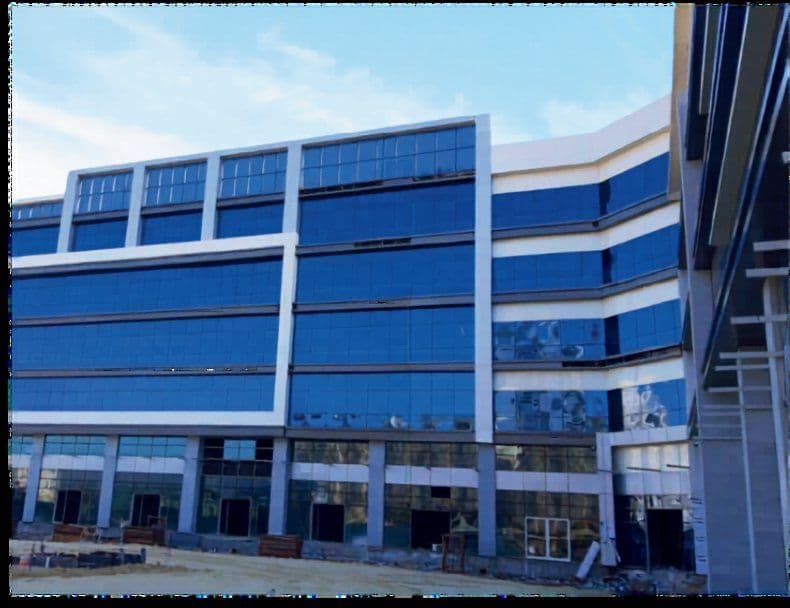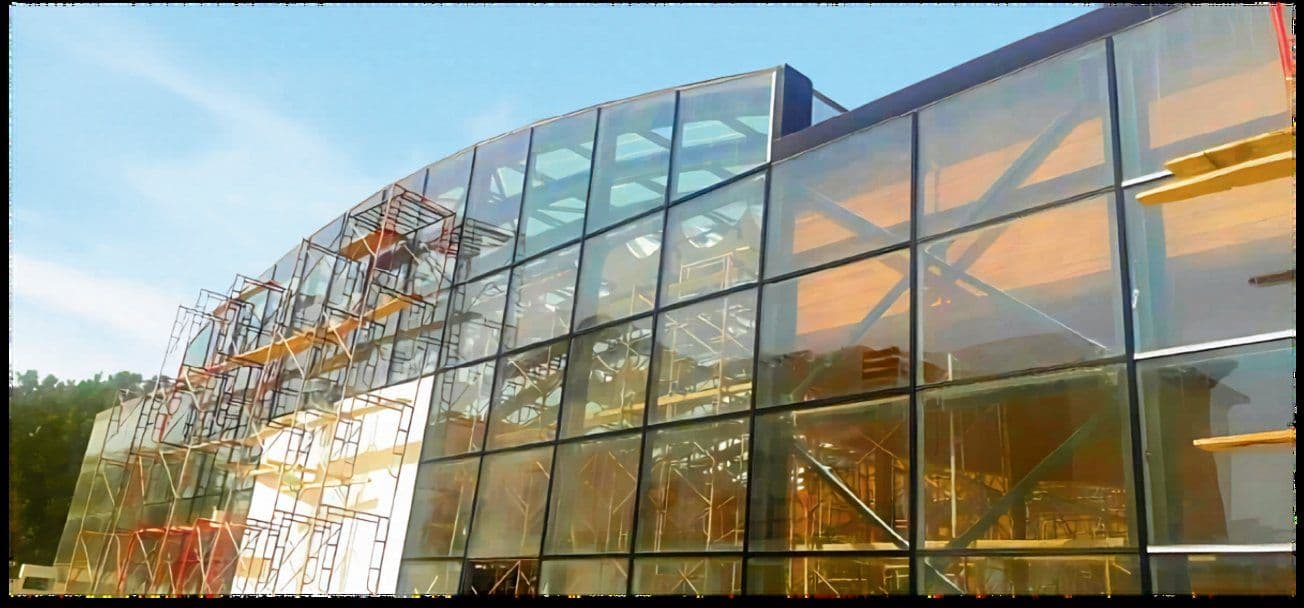
“To standard” is the least useful sentence in a quotation. It is in all of them, it costs nothing to write, and by the time anyone tests whether it was true the material is on the building. What makes it mean something is agreeing, in advance, what will be produced to prove it — and when.
Before anything is ordered
The first document is the material submittal: what is actually being supplied, by whom, to what specification, with the manufacturer's own data attached. Approve it before it is ordered, not after it arrives. A submittal approved late is not an approval; it is a record of a decision somebody else already made.
Where a finish is being judged by eye — a glass, a marble, a cladding colour — a sample belongs with the submittal, and a large enough piece to be honest. Colour and texture do not scale up from a swatch, and neither does a joint.
Before it is repeated
On anything that will be installed more than a handful of times, the first one is worth building as a mock-up and looking at properly: the panel with its fixing, the junction, the seal, the way it meets what is next to it. It is the cheapest moment at which a detail can still be changed, and the last one.
Approve the first one carefully and the other four hundred take care of themselves.
While the work is going on
Inspection has to be tied to stages that can still be seen. Once a panel is closed, the fixing behind it is a matter of trust; before it is closed, it is a matter of record. A short, agreed list of hold points — set-out checked, fixings checked, seal checked, then close — is worth more than a long specification nobody reads on site.
At the end
Handover is not a set of keys. It is the file: the approved submittals, the data for what was actually installed rather than what was first proposed, the inspection records, and clear instructions for whoever will clean and maintain the work. A building's facade outlives everyone's memory of how it was built, and the file is what is left.
Ask for all of it at tender, when it is a condition. Asking for it at handover is asking somebody to write history.